
Hollandaise Sauce
Introduction
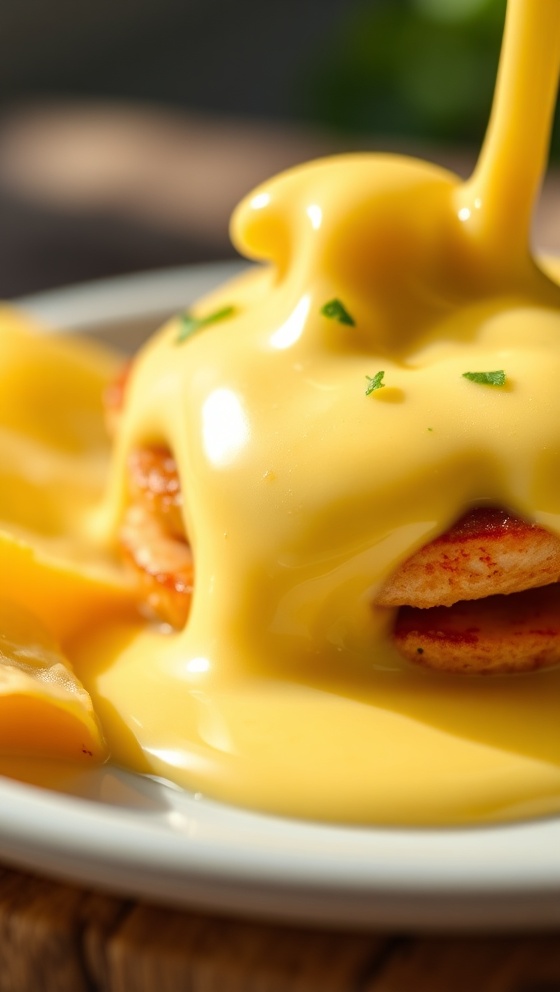
Hollandaise sauce is a classic culinary delight known for its rich and buttery flavor, making it a staple in countless dishes. This emulsified sauce, often recognized by its velvety texture and bright, lemony flavor, is a key component of the famous Eggs Benedict breakfast. Preparing a perfect Hollandaise sauce may seem daunting, but with the right approach and attention to detail, you can master this sauce to elevate your culinary skills. In this blog post, we’ll go through a comprehensive guide to making highlight-worthy Hollandaise sauce, exploring ingredients, timing, tips, and alternative methods to ensure this exquisite sauce becomes a staple in your kitchen.
Ingredients List
To prepare a highlight-worthy Hollandaise sauce, you will need the following ingredients:
– 3 large egg yolks: These are the base of your sauce and provide a rich texture.
– 1 tablespoon freshly squeezed lemon juice: This adds acidity and brightens the flavor profile.
– 1/2 cup unsalted butter: It’s best when clarified for a smoother consistency.
– Salt: To taste, enhancing the flavor of the sauce.
– White pepper: Optional for a hint of spiciness, can also use cayenne pepper for a bit more kick.
Timing
Making perfect Hollandaise sauce can take about 15-20 minutes, making it an ideal addition to your brunch or dinner experience without taking too long.
1. Preparation time: 5 minutes.
2. Cooking time: 10-15 minutes.
3. Total time: Approximately 20 minutes.
Step-by-Step Instructions
Creating highlight-worthy Hollandaise sauce is simplified by following these steps carefully:
1. Prepare Your Double Boiler: Fill a saucepan with water and bring it to a simmer. This will serve as the base for your double boiler. Ensure the bowl you choose fits snugly over the saucepan without touching the water.
2. Whisk the Egg Yolks and Lemon Juice: In the bowl of your double boiler, combine the egg yolks and lemon juice. Whisk energetically until the mixture lightens in color and thickens slightly.
3. Incorporate the Butter: Slowly drizzle in the melted, warm clarified butter while continuing to whisk constantly. The sauce should begin to emulsify and thicken, forming a luscious texture. If it becomes too thick, you can add a teaspoon of warm water to adjust the consistency.
4. Season It Right: Once the sauce reaches your desired thickness, season it with salt and white pepper. Taste and adjust as necessary, ensuring you achieve a balanced flavor.
5. Serving: Serve immediately over your breakfast favorites like poached eggs or as an accompaniment to vegetables and fish. Enjoy the highlight-worthy experience of each flavorful spoonful.
At this point, you’ve crafted a perfect batch of Hollandaise sauce that’s ready to impress anyone at your breakfast table!
Nutritional Information
Understanding the nutritional content of foods is essential in maintaining a balanced diet. Here’s the general nutritional breakdown for a serving of Hollandaise sauce (about 2 tablespoons):
– Calories: 150
– Total Fat: 16g
– Saturated Fat: 10g
– Cholesterol: 180mg
– Sodium: 120mg
– Protein: 3g
– Carbohydrates: 1g
– Fiber: 0g
– Sugars: 0g
Keep in mind that variations can occur based on the exact ingredients used and the serving size.
Tips
To elevate your Hollandaise sauce to highlight its best qualities, consider the following tips:
1. Use Fresh Ingredients: Fresh lemons and high-quality unsalted butter can significantly enhance the flavor of your sauce.
2. Temperature Control: Ensure the water in your double boiler is simmering, not boiling to maintain a gentle heat.
3. Whisk Consistently: Continuous whisking helps to emulsify the butter and egg yolks, avoiding any separation.
4. Keep It Warm: If you need to hold the sauce for a little while before serving, keep it warm over the simmering water in the double boiler, but make sure to whisk occasionally.
Alternative Methods
If you’re looking to speed up the process or try a different method, here are some alternatives to traditional preparation:
1. Blender Method: Combine egg yolks and lemon juice in the blender, then slowly add heated butter in a steady stream while blending until emulsified.
2. Microwave Method: In a microwave-safe bowl, whisk together the ingredients and microwave in short bursts (10-15 seconds), stirring in between until fully emulsified.
3. Sous Vide Technique: Use a sous vide setup to precisely control the temperature of your egg yolks, so they thicken gently when heated.
Common Mistakes to Avoid
Even the most seasoned cooks may encounter hiccups while preparing Hollandaise sauce. Here are some common pitfalls to watch for:
1. Overheating Eggs: Cooking egg yolks too fast can lead to scrambling. Always use gentle heat in a double boiler.
2. Rushing Emulsification: Adding melted butter too quickly can cause the sauce to break. Drizzle it in slowly while whisking vigorously.
3. Disregarding Measurements: Skipping or altering the ingredients without understanding their role in emulsification and flavor balance can lead to a failed sauce.
4. Storing Improperly: Hollandaise doesn’t freeze well, and it’s best served fresh. If necessary, refrigerate and gently reheat while whisking.
Conclusion
Mastering a highlight-worthy Hollandaise sauce can greatly enhance your cooking repertoire, providing the perfect pop of flavor to countless dishes. Whether enjoyed on poached eggs, drizzled over asparagus, or paired with seafood, this sauce brings a restaurant-quality flair to your meals. Embrace the journey of creating this luxurious sauce at home, and you’ll be rewarded not only with delicious flavors but also with the joy of cooking. Don’t forget to revisit our website for more exciting recipes and cooking inspiration to keep you motivated and entertained in the kitchen.
FAQs
What can I serve Hollandaise sauce with?
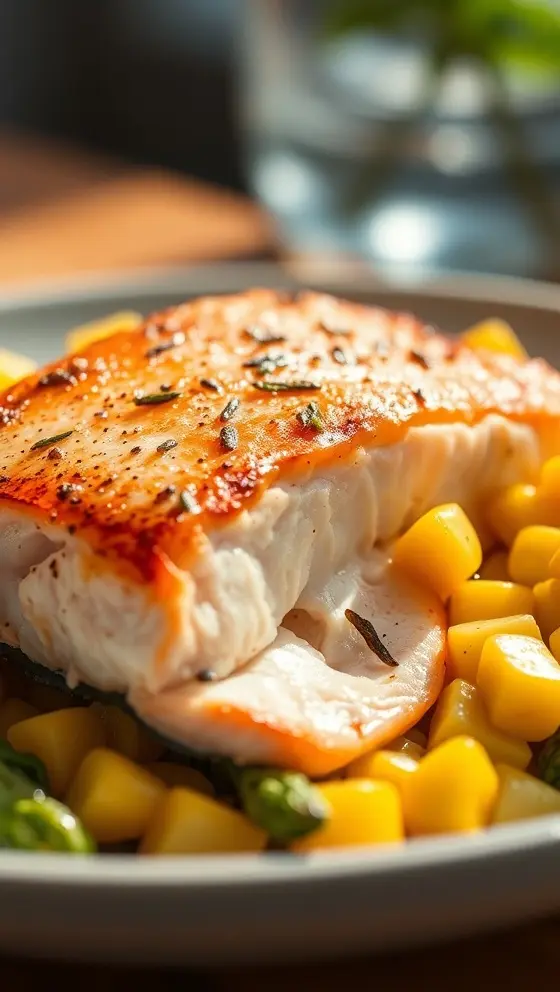
Hollandaise sauce pairs beautifully with eggs Benedict, steamed vegetables, grilled fish, or chicken, and even as a dip for bread.
Can I make Hollandaise sauce ahead of time?
Hollandaise is best served fresh, but you can make it ahead and store it in the refrigerator for a short time. Reheat gently before serving, whisking to re-emulsify.
What is the difference between Béarnaise and Hollandaise?
While both sauces are emulsified and rich, Béarnaise sauce includes tarragon and vinegar for a distinct flavor, while Hollandaise is lemon-based.
How can I fix a broken Hollandaise sauce?
If your sauce separates, try to whisk in a teaspoon of warm water or an egg yolk to bring it back together.
Is there a vegan version of Hollandaise sauce?
Yes! You can make a vegan Hollandaise sauce using silken tofu blended with lemon juice, nutritional yeast, and vegan butter or olive oil.
Inspired to try your hand at highlight-worthy Hollandaise sauce? Dive into your kitchen and experience the joy of cooking today!
Hollandaise Sauce
Ingredients
- 3 large egg yolks
- 1 tablespoon lemon juice
- 1/2 cup unsalted butter, melted
- Salt to taste
- Cayenne pepper to taste
Instructions
- In a heatproof bowl, whisk together egg yolks and lemon juice until thickened.
- Place the bowl over a pot of simmering water, ensuring the bowl does not touch the water.
- Slowly drizzle in the melted butter while whisking continuously until the sauce is thick and creamy.
- Season with salt and cayenne pepper to taste.
- Serve immediately over your favorite dishes.
Nutrition Information
- Calories: 220 kcal
- Protein: 3 g